

Private transfer or public transport: what are passengers choosing in 2026?
Our services
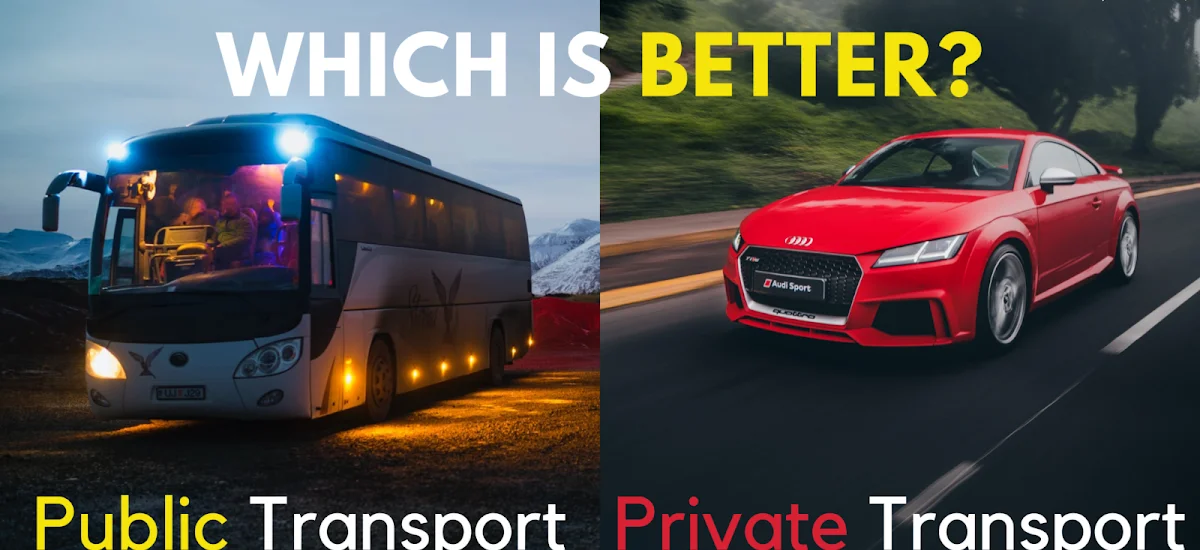
The choice between a private transfer and public transport depends on the passenger’s priorities regarding time, budget, and level of comfort. For budget-friendly trips without strict schedules, buses and trains are ideal, while for urgent or family travel, a private car is the better option.
A modern approach to travel is based on the rational use of personal resources. Public transport remains a logical choice for city routes or trips with a flexible schedule.
In situations where privacy and time efficiency are the priority, individual solutions are preferred. The ability to flexibly assess the conditions of each trip makes it easier to choose the most suitable mode of transportation.
What transport options are available for intercity and international travel?
For long-distance travel within the country, there are currently several reliable transportation options. Trains, buses, and private cars remain the main ways to connect regional centers.
A private transfer is often considered an alternative when it is important to reach a specific address directly. This helps avoid the hustle and queues typical of bus and railway stations.
The departure time can be scheduled individually, allowing travelers not to adjust to fixed timetables. This approach makes the journey more predictable and спокойной.
International trips often require careful planning and combining several types of transport. Reaching the border today can be done in many ways, depending on budget and available time.
A direct transfer option significantly saves the traveler’s energy. The absence of unnecessary connections makes the journey much more comfortable and straightforward.
Today, travel between countries has become much easier. Digital queue systems and improved road services make the journey almost seamless.
When do passengers choose public transport?

Public transport remains a basic solution for массовых movements due to its affordability and standardized processes. Travelers choose railways or bus lines when the priority is minimizing organizational effort.
It is an optimal format for travel between major transport hubs according to a fixed schedule. This model of travel is clear and does not require complex preliminary planning.
Using regular routes allows passengers to fully delegate technical and logistical issues to the carrier. The main advantage here is the absence of responsibility for the condition of the vehicle or route planning.
Scheduled services are ideal for mobile passengers with minimal luggage. The flexibility of the system makes it possible to change direction or make stops in transit cities without additional obligations.
Passenger autonomy in this format is ensured by the ability to freely manage time during the trip. Without the need to control the journey, travelers can focus on work, rest, or enjoying the scenery.
Regular transport becomes a justified choice when arrival is not tied to a strict deadline. It is a format for those who value the ability to adjust plans directly during the journey.
When is a private transfer a more convenient solution?
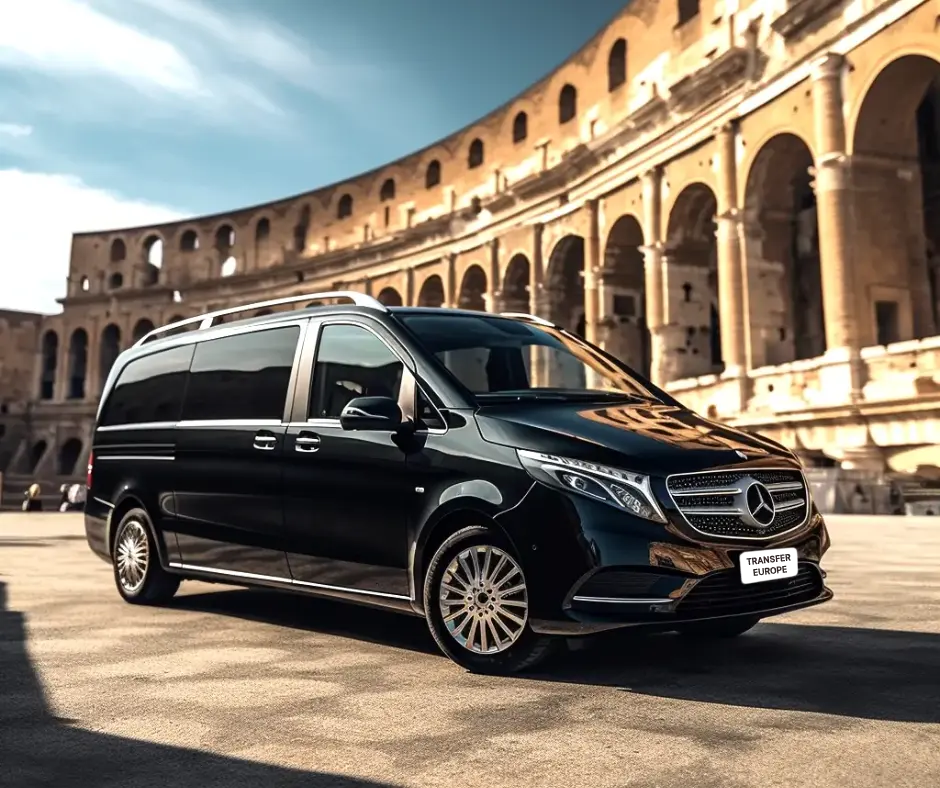
A private car becomes the better choice in situations where it is critical to keep to a schedule and avoid crowds. It is an ideal solution for trips with a lot of luggage, children, or when public transport routes are too complicated.
This format guarantees a calm journey straight to the exact address without transfers or unnecessary waiting.
There are cases when a private ride becomes the only way to save time and нерви. The main advantage of a private transfer is the ability to control your own schedule.
Departure is set for a convenient time, making it easy to plan the entire day. This is especially important for business meetings or arriving on time for important events. There is no need to worry that a train will be delayed or a service will be canceled at the last minute.
It is particularly convenient to book a separate vehicle for trips with a large family. Navigating stations with children and many bags can be very uncomfortable. A private car fully solves this problem.
You can stop anytime for coffee, rest, or simply get some fresh air. Inside the vehicle, it is easy to set pleasant music and a comfortable temperature. This turns an exhausting journey into an enjoyable part of the trip.
How are passenger priorities changing today?
The main priorities for travelers have become personal safety, trip predictability, and максимально rational use of time.
Passengers are increasingly abandoning complex routes in favor of direct trips without transfers. Today, people are willing to choose comfort and peace of mind instead of searching for the cheapest but exhausting option.
The desire to feel safe and avoid crowds has come to the forefront. For passengers, it is important that the trip is predictable and that the vehicle is reliable.
True comfort now lies in the absence of unpleasant surprises and the ability to relax calmly during the journey. When there is confidence at every stage of the trip, even a long ride no longer feels exhausting. Such stability helps preserve inner balance and energy.
Saving time has become the main currency of our century. Travelers are increasingly rejecting complicated travel schemes with multiple connections. Direct routes without unnecessary stops are becoming far more convenient for active individuals.
Every hour saved means additional time for family or productive work. This makes private services a priority for many categories of clients. A comfortable seat and quiet interior only add to the advantages of this choice.
What is important to consider before choosing a travel format?
Before choosing a mode of transport, it is important to assess the complexity of the route, the number of passengers, and personal comfort requirements. It is essential to consider not only the ticket price but also the additional time and effort required for transfers or getting to the station.
Key factors to pay attention to:
- Amount and size of luggage.
- Passenger composition and presence of pets.
- Weather conditions and seasonality.
- Need for workspace or quiet environment.
- Schedule accuracy and presence of deadlines.
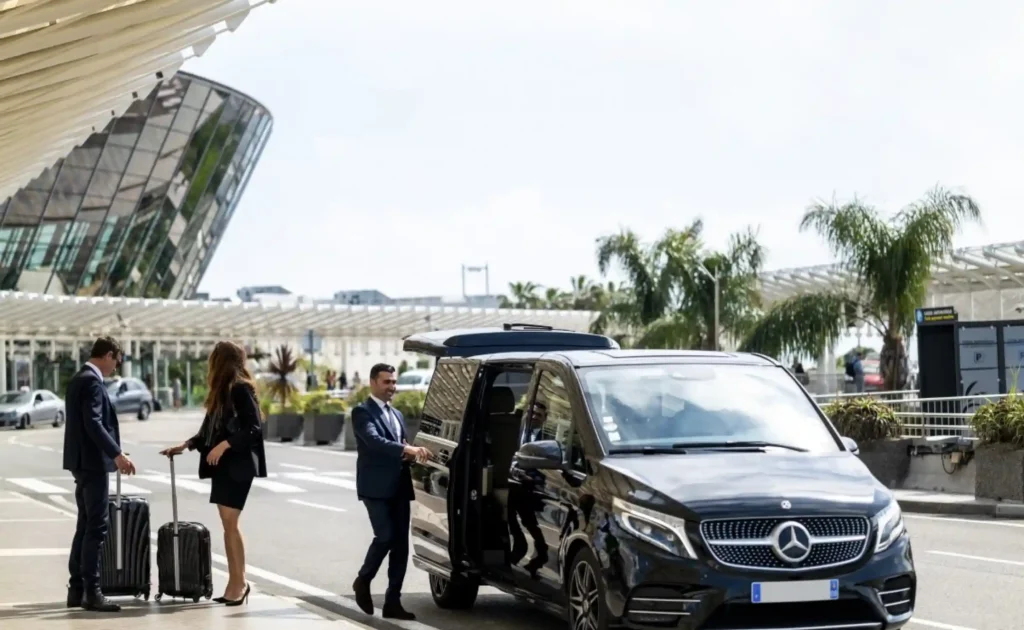
Each intercity trip requires an individual assessment of all circumstances. Passengers often forget to consider hidden inconveniences, such as having to get to the station in the middle of the night or waiting on the platform during a delay.
It is precisely these small details that ultimately shape the overall impression of the journey and the level of fatigue. Even a minor delay or an inconvenient transfer can spoil the mood before a long-awaited meeting or important event.
Conclusion
An analysis of modern trends shows that there is no single universal solution. Railways and buses provide mass accessibility and stable connections, while private transportation offers personalization and a sense of complete freedom.
A thoughtful approach to planning allows passengers to effectively combine these options. This turns any journey into a pleasant and safe experience. The choice always remains with the traveler.